March 9, 2026
HVAC systems are pivotal in ensuring indoor comfort and air quality. However, inefficiencies within these systems can lead to substantial financial burdens and negative environmental impacts. Recognizing common HVAC inefficiencies and understanding how to address them can lead to improved system performance, reduced energy bills, and a more sustainable building environment. Let's take a moment to delve into the various causes of HVAC inefficiencies and offers practical solutions that an HVAC company can provide.
1. Poor Airflow
Blocked or Closed Vents
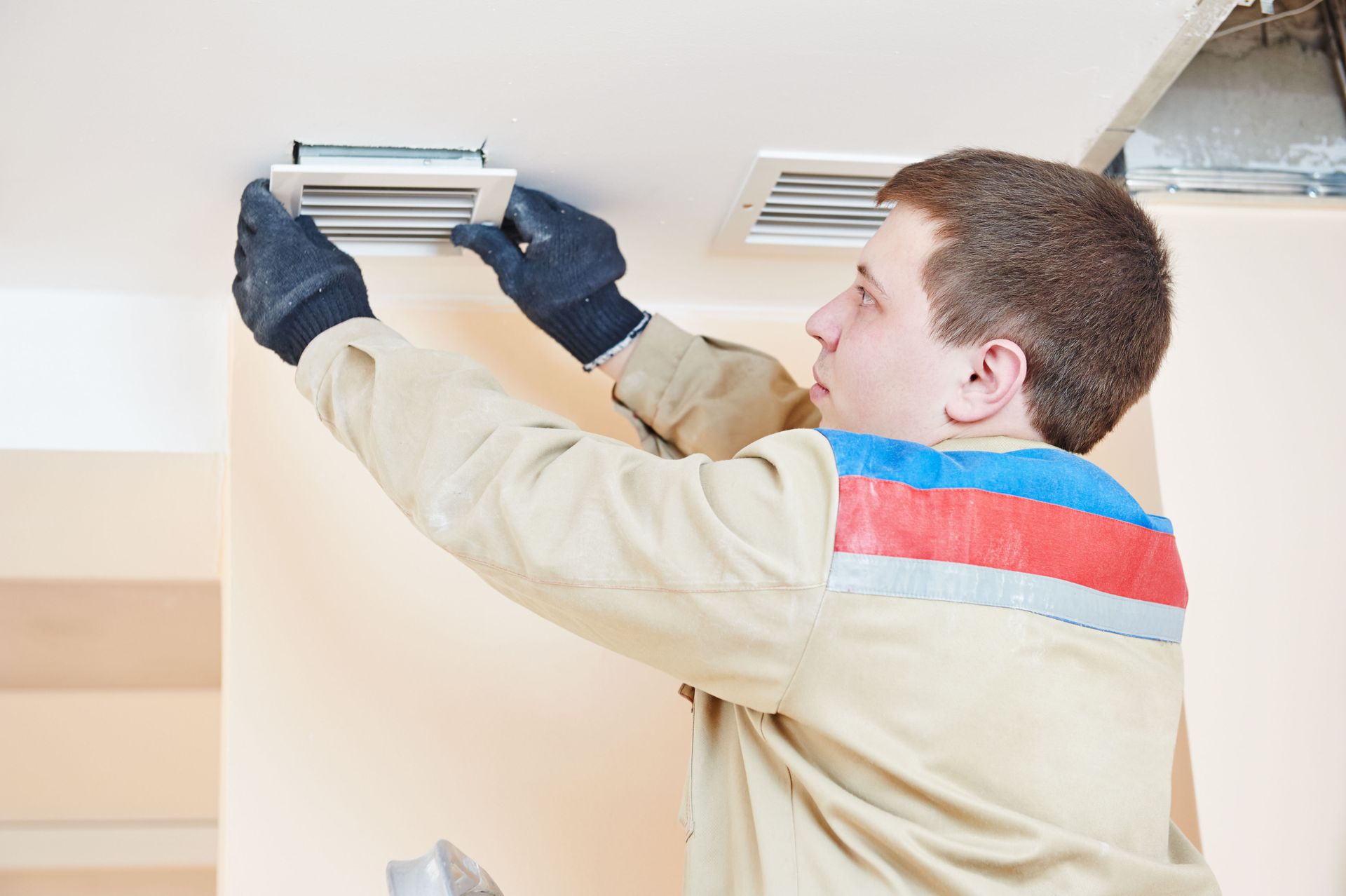
Poor airflow is often caused by blocked or closed vents, which disrupt the consistent distribution of air. Vents can become blocked by furniture, drapes, or other objects, which disrupts the efficient flow of air throughout a space. As a result, some rooms may become too cold or too hot, leading to constant thermostat adjustments and increased energy use. Ensuring that vents remain unobstructed is a straightforward, yet critical, step toward maintaining good airflow. Regular checks and rearrangement of furniture can mitigate this issue, contributing to a more energy-efficient environment.
Dirty or Clogged Filters
Another common issue impacting airflow is dirty or clogged filters, often leading to inadequate air quality and increased energy consumption. Filters are designed to trap dust, pollen, and other airborne particles, but over time, they can become saturated and obstruct airflow. Regularly changing or cleaning filters is essential to maintaining good airflow and can significantly improve the efficiency of HVAC systems. Industry experts recommend checking filters monthly and replacing them every three months, though this may vary based on use and environmental factors. Clean filters not only enhance airflow but also contribute to healthier indoor environments by reducing allergens.
Duct Leaks and Obstructions
Ducts are the backbone of an efficient HVAC system, and any leaks or obstructions can lead to a substantial loss of conditioned air. According to This Old House, properly sealed HVAC ducts can increase efficiency by up to 20%. Leaky ducts allow air to escape into places it shouldn't, such as attics or crawl spaces, causing the system to work harder to maintain desired temperatures. Turning to an HVAC company for regular inspections and sealing of ductwork can prevent these inefficiencies, promoting even airflow distribution throughout the space. Additionally, removing obstructions from inside the ducts, such as debris or nests, further ensures optimal airflow.
Inadequate Duct Sizing
Proper duct sizing is crucial for efficient airflow and overall system performance. Ducts that are too small can cause pressure imbalances and restricted airflow, while oversized ducts can result in inefficient performance and energy loss. Both scenarios place undue strain on the HVAC system, leading to increased operation costs and potential system failure. Consulting with an HVAC company to assess and modify duct sizing is a worthwhile investment toward enhanced efficiency. Correctly-sized ducts facilitate even distribution of air, reducing strain on the system and extending its lifespan.
Solutions for Improving Airflow
Addressing airflow issues begins with identifying and resolving the underlying causes, such as blocked vents, clogged filters, or duct problems. Comprehensive solutions include routinely inspecting and maintaining the entire HVAC system. Regular checks ensure that vents are clear, filters are clean, and ducts remain properly sealed and free of obstructions. Additionally, investing in high-efficiency air filters and consulting professionals for duct assessment can enhance airflow quality. By implementing these solutions, HVAC systems can operate more efficiently, reducing energy consumption and improving indoor comfort levels.
2. Thermostat Issues
Incorrect Calibration
Thermostat issues can significantly impact HVAC efficiency, starting with incorrect calibration. A poorly calibrated thermostat may misread temperature settings, causing the system to overheat or cool the space unnecessarily. Calibration discrepancies lead to increased energy consumption and discomfort for occupants. Homeowners can address this issue by periodically checking and calibrating their thermostats according to manufacturer guidelines. Utilizing a programmable or smart thermostat can further enhance accuracy and energy efficiency by maintaining consistent temperature settings tailored to daily routines.
Poor Placement
The placement of a thermostat is crucial for its ability to accurately gauge the indoor climate and manage the HVAC system effectively. Poor placement, such as near a window, close to a heat source, or in direct sunlight, can lead to false readings and inconsistent temperature control. A thermostat should be centrally located, away from direct sunlight or drafts, to ensure accurate ambient temperature readings. Relocating a poorly placed thermostat can resolve many inefficiencies related to inaccurate temperature data. By optimizing thermostat placement, homeowners can ensure a more balanced climate and energy-efficient operation.
Dead or Low Batteries
Sometimes, simple oversights such as dead or low batteries can cause thermostat malfunctions, leading to inefficient HVAC operation. A thermostat's reliance on adequate battery power is crucial for it to communicate effectively with the HVAC system. Low battery power can result in erratic operation or even failure to activate, causing unregulated temperature changes and energy waste. Regularly replacing thermostat batteries is a simple yet effective maintenance task that can prevent such issues. Most thermostats will display a low-battery indicator, serving as a reminder for timely replacements.
Outdated Models
Outdated thermostat models can lack the advanced features needed for energy-efficient system management. Older thermostats may provide less accurate readings and lack the ability to be programmed, leading to energy inefficiencies and higher utility bills. Upgrading to a programmable or smart thermostat allows for automated, precise climate control based on occupancy and lifestyle needs. Newer models offer advanced features, such as remote access, learning capabilities, and energy usage reports, which can significantly enhance operational efficiency. Investing in a modern thermostat is a cost-effective solution that offers long-term savings and convenience.
3. Lack of Regular Maintenance
Importance of Seasonal Check-Ups
Consistent HVAC performance hinges on regular maintenance, making seasonal check-ups crucial to identify and rectify potential issues early. These bi-annual assessments, typically conducted in spring and fall, prepare the system for peak usage periods. Regular inspections ensure that all components function optimally, preventing sudden breakdowns and costly repairs. Routine checks can involve inspecting and cleaning components, checking refrigerant levels, and ensuring thermostat accuracy. A well-maintained system is more energy-efficient, providing consistent comfort while reducing utility costs.
Commonly Overlooked Maintenance Tasks
Many common maintenance tasks are overlooked, which can lead to inefficiencies and eventual system failures. Tasks such as cleaning condenser and evaporator coils, lubricating moving parts, and inspecting electrical connections are often neglected. Neglecting these tasks results in reduced durability, higher repair costs, and diminished efficiency. Homeowners can prevent these issues by incorporating comprehensive maintenance practices into their routine. A professional HVAC company can offer valuable insights and services to ensure all maintenance needs are met, preserving system efficiency.
Signs Your System Needs Maintenance
Recognizing signs that indicate the need for maintenance can prevent minor issues from developing into major problems. Common indicators include unusual noises, uneven temperature distribution, increased energy bills, or poor air quality. These symptoms often point to underlying issues such as mechanical wear, refrigerant leaks, or airflow obstructions. Promptly addressing these signs through routine maintenance can restore system efficiency and performance. Maintaining a vigilant approach to identifying symptoms allows for timely interventions, minimizing disruptions and costs.
DIY vs. Professional Maintenance
While some maintenance tasks can be performed by homeowners, such as filter changes and basic inspections, others require professional expertise. Professionals possess the necessary training and tools to conduct thorough assessments, identifying and resolving complex issues. DIY maintenance can be effective for routine tasks, but significant repairs or handling refrigerants and electrical components necessitate professional intervention of an HVAC company. Engaging professionals ensures comprehensive maintenance, adherence to safety standards, and optimal system performance. Balancing DIY efforts with professional services offers the best strategy for extending system lifespan and efficiency.
Addressing HVAC inefficiencies requires a proactive approach that combines awareness, routine care, and professional expertise. From improving airflow and optimizing thermostat function to committing to regular maintenance, each step plays a vital role in reducing energy waste, lowering costs, and enhancing indoor comfort. By staying attentive to system performance and leveraging the knowledge of an HVAC company like R S Heating and Cooling, you can enjoy a more reliable, efficient, and longer-lasting system while contributing to a healthier, more sustainable environment. Give us a call today to get started with a free same-day estimate.