May 5, 2026
Air conditioning systems are a routine part of modern living, yet many homeowners still rely on outdated assumptions about how these systems work. Misconceptions about maintenance, efficiency, and repairs can lead to higher energy costs, reduced comfort, and avoidable breakdowns.
Understanding what is true and what is simply a common myth can help you make smarter decisions about cooling your home. Whether you are maintaining an older unit or evaluating a replacement, accurate information matters. Many of the most common beliefs about air conditioning sound reasonable on the surface, but do not hold up in practice. Clearing up these misunderstandings can help you get more from your system while avoiding costly mistakes.
1. Rethink the Idea That Bigger Systems Cool Better
One of the most common misconceptions is that a larger air conditioning unit automatically provides better cooling. Many homeowners assume a bigger system means stronger performance, but oversized units can actually create comfort problems. A system that is too large may cool a space too quickly, shutting off before properly removing humidity from the air. This can leave the home feeling damp or uncomfortable, even when temperatures seem low.
Proper sizing depends on square footage, insulation levels, window placement, and many other factors. That is why an experienced AC contractor evaluates the whole home rather than recommending equipment based on output alone. Effective cooling is often about balance rather than sheer capacity.
Oversized systems may also cycle on and off too frequently, which can increase wear on components over time. Short cycling can reduce efficiency and may contribute to more frequent repairs. Homeowners sometimes replace older units with larger models, assuming they are upgrading, only to create performance issues they did not expect.
A properly sized system is typically better at maintaining steady indoor comfort while operating efficiently. According to Forbes, roughly 90% of homes in the United States use air conditioning, which makes understanding proper system performance especially relevant for many households. Because cooling is such a common part of home life, misconceptions about equipment sizing can affect a large number of property owners. Consulting an AC contractor can help ensure the system matches the home rather than relying on assumptions.
2. Reconsider the Belief That Maintenance Is Optional
Another common myth is that air conditioning systems only need attention when something goes wrong. Some homeowners assume that if cool air is still coming through the vents, everything must be functioning properly. In reality, many performance issues begin developing long before obvious symptoms appear. Dirty coils, restricted airflow, worn parts, and refrigerant concerns can all reduce efficiency even when the system seems operational.
Routine service helps identify small issues early before they become major repairs. This is one reason many homeowners rely on an AC contractor for preventative maintenance rather than waiting for a breakdown. Consistent care often supports both comfort and long-term system performance. Skipping maintenance can sometimes shorten equipment lifespan as well. Filters left unchanged can strain airflow, while neglected components may work harder than necessary. These issues can gradually increase operating costs even if they are not immediately noticeable.
Some homeowners believe maintenance is unnecessary because their system is relatively new, but even newer units benefit from regular inspections. Seasonal tune-ups often help improve efficiency, support reliability, and reduce the chance of sudden failures during peak temperatures. A knowledgeable AC contractor can identify concerns homeowners may not spot on their own. Viewing maintenance as preventive care rather than an optional service often leads to better long-term results.
3. Question the Assumption That Lower Thermostat Settings Cool Faster
Many people believe that setting the thermostat dramatically lower will cool the home faster. It is a common habit during hot weather, but it is largely a misconception. Most systems cool at a steady rate regardless of whether the thermostat is lowered by two degrees or twenty. Setting the temperature much lower usually does not speed the process; it often just causes the system to run longer than needed. That can increase energy use without improving how quickly comfort is restored. An AC contractor will often explain that thermostat settings influence target temperature, not cooling speed. Understanding this distinction can help avoid unnecessary strain on the system.
This misconception can also contribute to inefficient habits. Homeowners may lower the thermostat excessively, forget to adjust it, and end up overcooling the home. That can raise utility costs while making indoor conditions less comfortable. Programmable and smart thermostats can often help maintain consistent comfort without relying on dramatic manual adjustments. Learning how your system actually responds can lead to better energy decisions over time. Rather than chasing faster cooling through lower settings, it is usually more effective to focus on proper airflow, insulation, and system condition. A trusted AC contractor can often help homeowners optimize performance through practical adjustments rather than myths. Small changes in habits can sometimes make a noticeable difference.
4. Challenge the Notion That Closing Vents Saves Energy
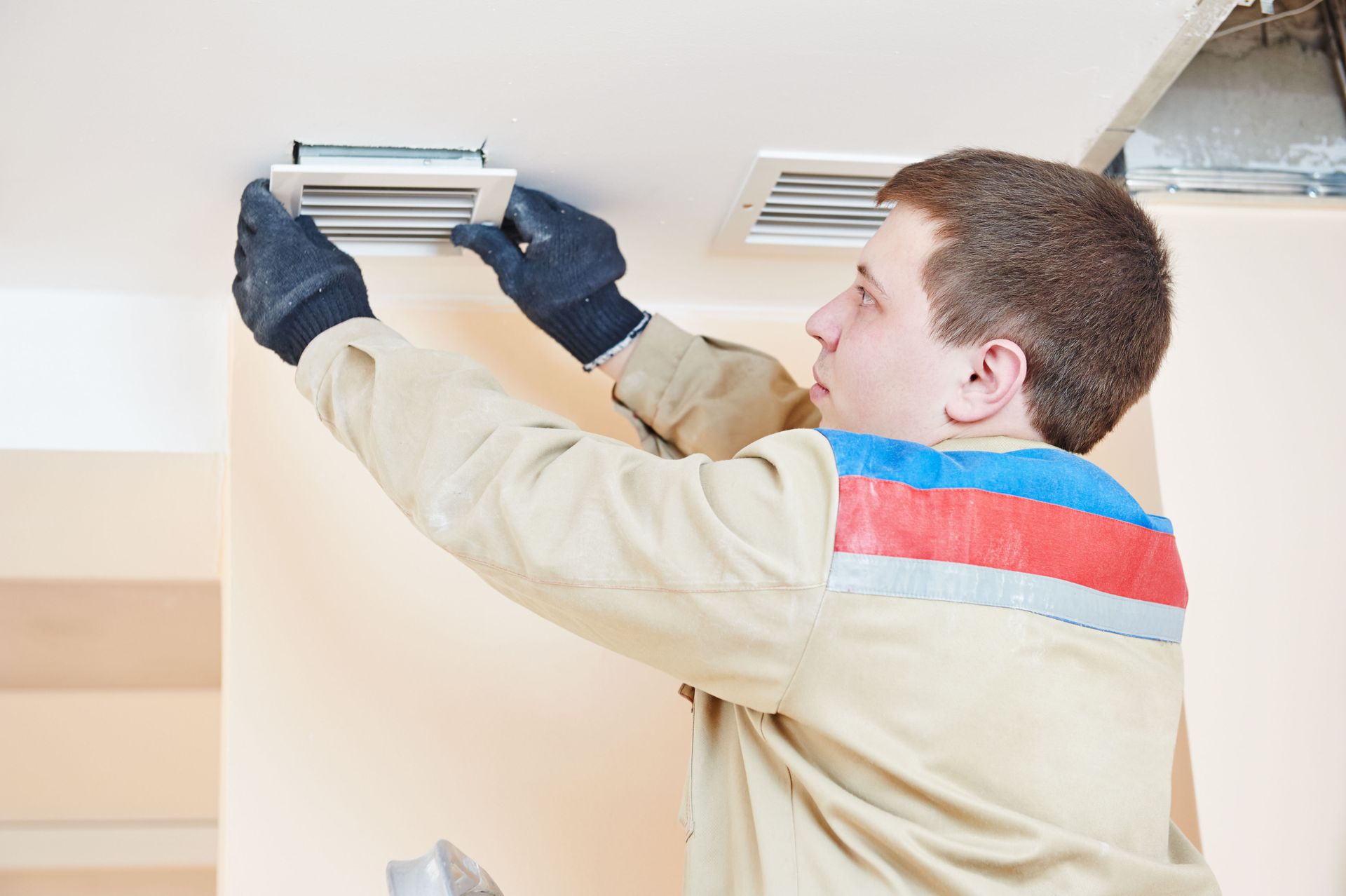
Another widespread misconception is that closing vents in unused rooms reduces energy use. At first glance, it may seem logical that shutting off airflow to certain spaces would lower operating demands. In many systems, however, closing vents can disrupt the designed airflow balance and create pressure issues. That imbalance may force the system to work harder rather than operate more efficiently. In some cases, restricted airflow may even contribute to wear or performance concerns over time. This is why an AC contractor often advises against this approach unless the system is specifically designed for zoning. Energy savings strategies are usually more effective when they support system efficiency rather than interfere with it.
Homeowners sometimes close vents with good intentions but may unintentionally create hot and cold spots throughout the house. Rooms may become harder to regulate, and comfort can suffer even while energy savings fail to materialize. Proper zoning systems offer a much more effective way to control temperatures in different areas of the home. Sealing air leaks, improving insulation, and maintaining ductwork often provide better efficiency gains than vent-closing habits. Misunderstandings about airflow are common because the effects are not always immediately obvious. A professional AC contractor can help evaluate whether airflow issues are affecting comfort or efficiency. Knowing how the system is designed to operate helps prevent well-meaning mistakes.
5. Move Beyond the Myth That Repairs Can Always Wait
Some homeowners assume minor cooling issues can safely wait until the system stops working completely. Strange noises, reduced airflow, or inconsistent temperatures may seem easy to ignore if cooling still appears adequate. Unfortunately, small problems often grow when left unresolved. A minor refrigerant issue or worn component can sometimes lead to more extensive damage if not addressed early. Prompt attention often helps reduce repair costs and prevent breakdowns during the hottest times of year. This is another reason many people call an AC contractor when warning signs first appear rather than postponing service. Early action can protect both comfort and equipment longevity.
Delaying repairs can also make diagnosing issues more complicated later. What begins as a simple fix may affect connected components over time. Some homeowners avoid service, assuming waiting will save money, only to face larger repairs or premature replacement. Paying attention to performance changes can help catch concerns while solutions are still straightforward. Even subtle shifts in cooling behavior may be worth investigating before they become disruptive. A qualified AC contractor can often identify whether a symptom points to a simple adjustment or something more significant. Treating small warning signs seriously can help avoid much bigger problems down the line.
Misconceptions about air conditioning systems can lead homeowners toward decisions that affect comfort, efficiency, and long-term costs. Understanding the truth about sizing, maintenance, thermostat use, airflow, and repair timing can help you care for your system more effectively. Reliable information makes it easier to avoid common mistakes and keep your cooling equipment operating as intended. When questions arise, professional guidance can make all the difference. If you want clear answers about your cooling system, contact R S Heating and Cooling today. Our experienced team can help you separate myths from facts and provide dependable service tailored to your home. Speak with a reliable AC contractor at R S Heating and Cooling and keep your system performing at its best.